
The Extreme American Bully breed is known for its distinctive appearance and extreme physical traits, such as a broad and muscular body, a thick and wide-set head, and a powerful stance. However, as with any breed, there are potential health and temperament issues that can arise if not properly addressed through selective breeding practices. In this article, we will explore the importance of selective breeding for health, behavior, and structure, and how responsible breeding practices can lead to better and more sustainable Extreme American Bullies.
Health Considerations in Selective Breeding
One of the most important factors to consider when breeding Extreme American Bullies is health. Genetic diversity is crucial for reducing the risk of inherited health issues, and responsible breeders should aim to avoid breeding individuals with known health issues or genetic abnormalities. Genetic testing is an important tool for identifying potential health risks in breeding stock, and breeders should be willing to invest in these tests to ensure the health and well-being of their puppies.
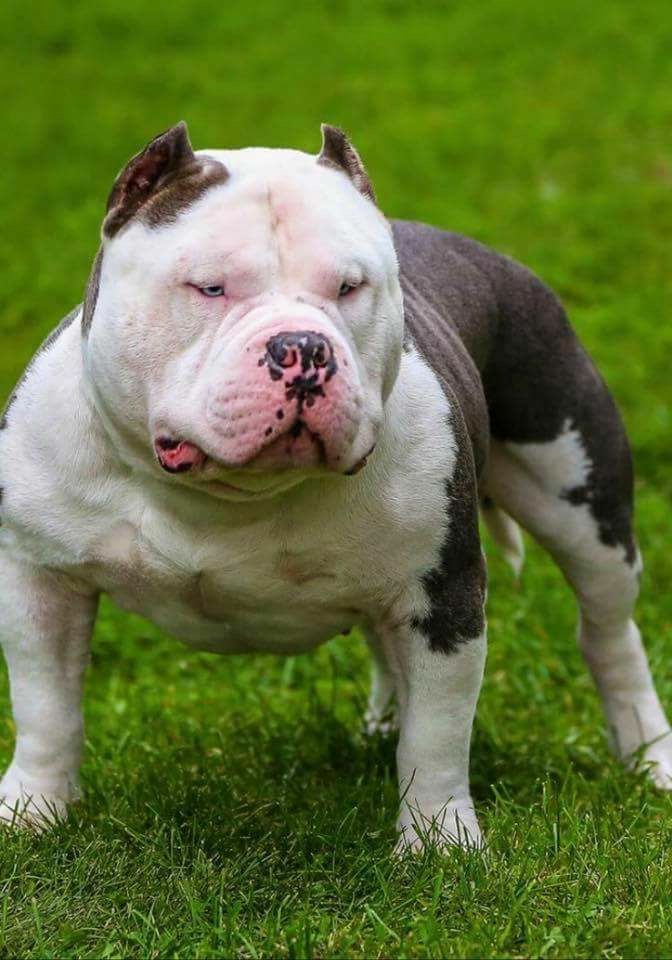
In addition to genetic testing, outcrossing can be a valuable strategy for improving health and genetic diversity. By introducing new bloodlines into the breeding program, breeders can reduce the risk of inbreeding and inherited health issues. However, outcrossing should be done responsibly, with careful consideration of the individual dogs and their pedigrees.
Behavioral Considerations in Selective Breeding
In addition to physical health, breeders must also consider temperament and behavior when selecting breeding pairs. The Extreme American Bully breed should be well-behaved and stable in temperament, with a friendly and confident personality. Breeding for a balanced and stable temperament is essential for producing puppies that are well-suited to family life and socialization.
“Dogs do speak, but only to those who know how to listen”- Orhan Pamuk
To achieve this, breeders should carefully select breeding pairs based on their individual temperaments and behavior traits. They should avoid breeding dogs with known aggression or fear issues, and prioritize dogs that have a friendly and outgoing personality. Additionally, breeders should provide proper socialization and training for their puppies to ensure that they develop into well-behaved and confident adults.
Achieving Extreme Traits through Selective Breeding
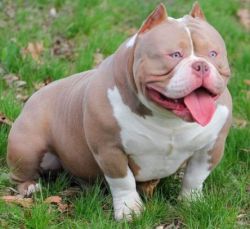
While health and temperament are essential considerations in selective breeding, breeders must also balance these factors with the desired extreme physical traits of the breed. Popular extreme traits in the Extreme American Bully breed include a large and muscular body, a wide and blocky head, and a thick and powerful stance. However, these traits must be balanced with the health and temperament of the dog, to avoid breeding for physical extremes at the expense of the dog’s overall well-being.
To achieve extreme physical traits without compromising health and temperament, breeders should carefully select breeding pairs that have the desired traits while also prioritizing health and temperament. They should also be willing to make difficult decisions, such as not breeding dogs with severe structural issues or genetic health risks, even if they have desirable physical traits.
Selecting for Optimal Size and Structure
The size and structure of the Extreme American Bully breed are also important considerations in selective breeding. While extreme size can be desirable in the breed, it also carries potential health risks and must be balanced with other factors. Staying within the pocket bully height range (14-17 inches) is often considered a happy medium for balancing health and extreme traits, although breeders may have different preferences based on their goals and priorities.
Many of the most successful and extreme American Bullies in recent history have been within the 15-17″ height range. These dogs, such as GrCh Dax, GrCh Rocko, GrCh. Mr. Bean, Ch. Magoo, Ch. Grimm, Ch. Ghostface, Ch. DemonBoy, Colossal and more, have been bred for their extreme features and impressive physicality. Despite their extreme traits, many of these dogs have also been able to maintain a high level of structural soundness and good health, which has contributed to their success in the show ring and beyond. This has shown that breeding Extreme American Bullies within a certain height range can be a good balance between extreme features and health and structural soundness.
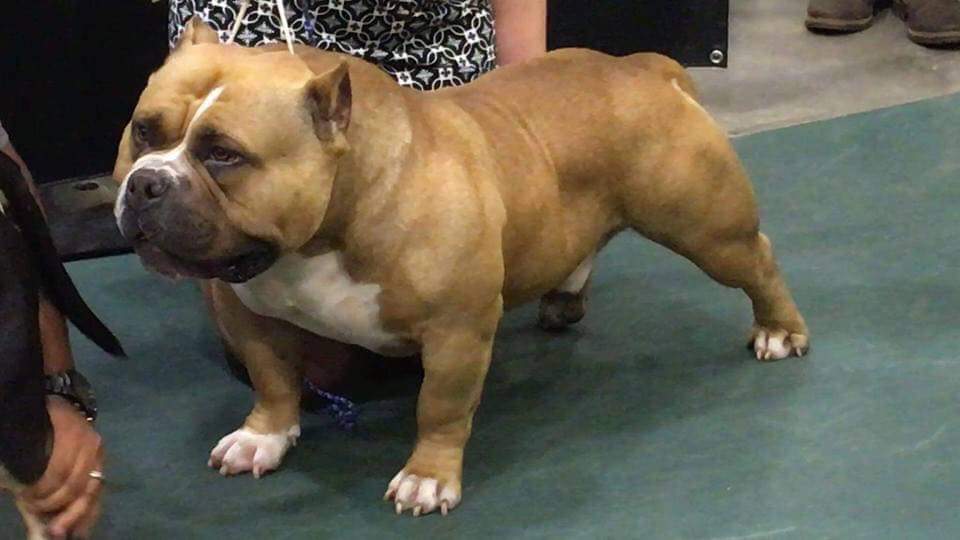
When selecting breeding pairs for optimal size and structure, breeders should prioritize dogs that have a balanced and proportionate body, with minimal structural issues and no physical deformities. They should also consider the health risks associated with extreme size, such as joint problems and respiratory issues, and aim to breed dogs that have minimal natural breathing issues, and are within a healthy weight range for their size.
Structural soundness is also an important consideration in breeding Extreme American Bullies. Breeders should prioritize dogs with a correct and functional structure, including proper angulation, muscle tone, and overall balance. Structural issues can lead to health problems and can also affect the dog’s ability to perform well in activities such as sports or working roles.
Ethical Considerations in Selective Breeding
Selective breeding is an important responsibility for breeders, and it is crucial that they prioritize ethical considerations in their breeding practices. This includes avoiding breeding practices that promote unhealthy or extreme physical traits, such as breeding for exaggerated size or features that can cause health problems. Breeders should also avoid breeding dogs that have known genetic health risks, and should prioritize the health and well-being of their puppies over their own financial gain or personal preferences.
In addition to ethical considerations related to health and structure, breeders must also prioritize the well-being of their dogs and puppies in all aspects of their breeding program. This includes providing proper socialization, nutrition, and veterinary care for their dogs, as well as ensuring that their puppies are placed in responsible and loving homes.
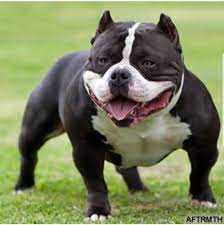
Selective breeding for Extreme American Bullies requires careful consideration of multiple factors, including health, temperament, physical traits, size and structure, and ethical considerations. Breeders must balance these factors to produce puppies that are healthy, well-behaved, and physically sound, while also maintaining the desirable extreme traits of the breed. By prioritizing responsible breeding practices and ethical considerations, breeders can contribute to a sustainable and healthy future for the Extreme American Bully breed.